
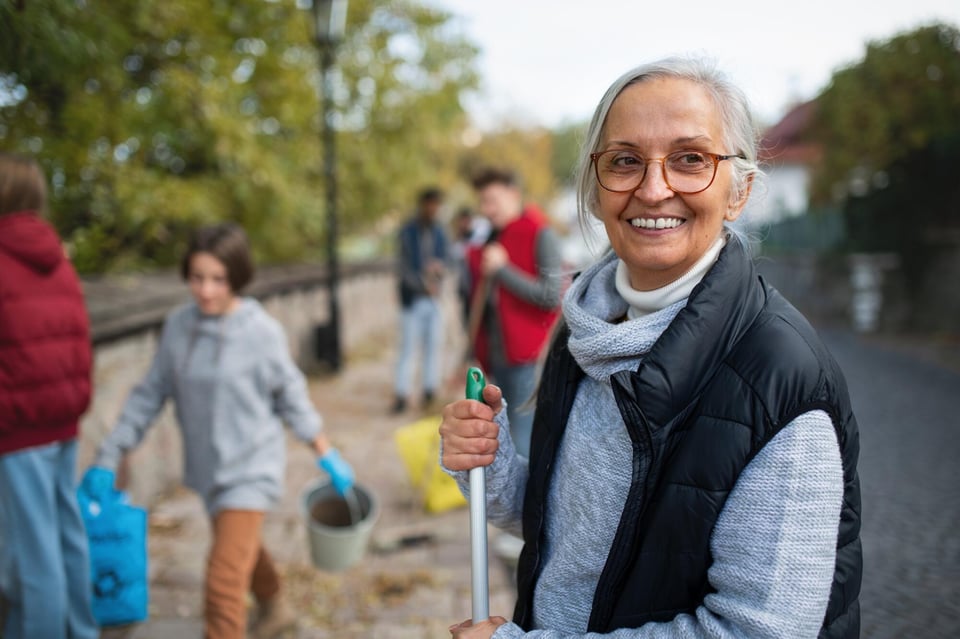
Senior volunteer opportunities help retirees stay socially connected, apply lifelong skills in meaningful ways, and strengthen their physical and emotional well-being. Through retirement volunteering in schools, hospitals, nonprofits, and community programs, older adults build structure, deepen relationships, and experience a renewed sense of purpose.
Have you ever wondered how to replace the sense of purpose that work once provided? Today, we're taking a closer look at how senior volunteer opportunities support engaged senior living, encourage senior community involvement, and create a truly purposeful retirement. Dallas is a dynamic North Texas city known for its thriving business community, diverse arts scene, and Western roots.
The Benefits of Senior Volunteer Opportunities in Independent Living
Senior volunteer opportunities offer more than a way to pass the time. They support mental health, physical activity, and meaningful social connections during retirement. Many older adults find that regular service gives their week structure and strengthens their sense of identity.
The benefits of senior volunteer opportunities in independent living often include:
- Improved emotional well-being
- Stronger social connections
- Better cognitive and physical health
Improved Emotional Well-Being
Giving back in retirement can lift mood and reduce feelings of isolation. Many retirees miss the daily sense of accomplishment that work once provided. Volunteer roles restore that feeling.
Contributing time and experience helps older adults feel valued. That sense of purpose supports a more purposeful retirement and builds confidence in daily life.
Stronger Social Connections
Senior community involvement creates natural opportunities to meet others. Group service projects and shared causes build friendships.
Regular interaction supports engaged senior living and reduces loneliness. Staying connected to others strengthens emotional health and builds a sense of belonging.
Better Cognitive and Physical Health
Retirement volunteering often keeps seniors mentally sharp. Learning new skills, solving problems, and working with different age groups stimulate the brain.
Many roles require light movement, which supports mobility and balance. Consistent activity promotes healthier aging and a more active lifestyle.
Types of Volunteer Roles That Match Retirees' Skills and Interests
Retirees bring decades of experience, practical knowledge, and personal insight to the communities around them. The best senior volunteer opportunities match those strengths with meaningful service.
Volunteer roles for older adults often fall into several broad categories:
- Skill-based service
- Community support roles
- Health and advocacy positions
- Environmental and civic engagement
- Virtual and flexible options
Skill-Based Service
Many retirees enjoy using their professional experience in new ways. Former teachers may tutor children or adults learning English. Business leaders can mentor small business owners.
Accountants, nurses, and tradespeople often serve as advisors. Skill-based senior volunteer opportunities allow older adults to share expertise while continuing to grow.
Community Support Roles
Food banks, libraries, museums, and faith groups rely on steady volunteers. Greeting visitors, organizing donations, or helping with events creates strong community ties. Giving back in retirement through local service builds connections close to home.
Health and Advocacy Positions
Hospitals and senior centers often welcome volunteers as greeters, patient guides, or peer supporters. Advocacy groups seek retirees who can speak up for issues that matter. Retirement volunteering in these settings brings compassion and life experience to people who need it.
Environmental and Civic Engagement
Many older adults care deeply about local parks, elections, and neighborhood safety. Serving on boards, helping with voter registration, or joining clean-up efforts strengthens civic life. Senior community involvement through civic roles supports engaged senior living.
Virtual and Flexible Options
Some retirees prefer flexible schedules. Remote tutoring, crisis line support, or administrative help from home provides structure without travel. Flexible retirement volunteering makes participation possible at many ability levels.
How Independent Living Communities Support Senior Community Involvement
Independent living communities often play an active role in connecting residents with meaningful services. Many build strong ties with local nonprofits and civic groups. That support makes senior community involvement easier and more consistent.
Staff members frequently organize group volunteer days, donation drives, and outreach events. Residents can sign up for projects that match their interests and abilities. On-site volunteer fairs and guest speakers introduce new senior volunteer opportunities throughout the year.
Peer leadership adds another layer of engagement. Residents may serve on committees, welcome new neighbors, or mentor fellow retirees who are adjusting to community life.
Independent living, like what we offer at Discovery Village North Dallas, often promotes purposeful retirement through structured programs. Calendars include service projects alongside social events and wellness activities.
That balance helps residents stay active and connected. Giving back in retirement becomes part of daily life rather than a separate task. With the right support, volunteering feels accessible, social, and rewarding.
Frequently Asked Questions
How Many Hours Should Seniors Volunteer Each Week?
Many experts suggest that two to five hours per week offers strong benefits without leading to fatigue. Research on older adults shows that moderate volunteer time supports well-being and life satisfaction.
A steady schedule often works better than occasional long shifts. Some retirees prefer seasonal projects, which allow breaks during travel or family visits. The right amount of time depends on energy, health, and other commitments.
Are There Age Limits for Senior Volunteer Opportunities?
Most organizations don't set upper age limits for volunteers. Instead, they focus on ability, reliability, and background screening. Some roles require training or health clearances, especially in medical settings.
Insurance policies may shape what tasks volunteers can perform. Many programs adjust duties so older adults with mobility limits can still take part in meaningful retirement volunteering.
Can Volunteering Provide Financial Or Career-Related Benefits?
While most roles are unpaid, some programs offer small stipends or mileage reimbursement. National service programs for older adults sometimes provide modest financial support.
Volunteers may deduct certain out-of-pocket expenses on taxes if guidelines are met. Retirement volunteering can build new skills, expand networks, and even open doors to part-time work or encore careers.
Volunteering For Seniors in Dallas
Senior volunteer opportunities give retirees a meaningful way to stay active, connected, and valued. By sharing skills and time, older adults strengthen their communities while building a deeper sense of purpose.
At Discovery Village North Dallas, we create an engaging and convenient lifestyle designed around our residents. From chef-prepared meals and flexible dining to live entertainment, wellness classes, and enriching activities, each day offers something meaningful. Housekeeping services keep homes and shared spaces fresh, so residents can focus on enjoying every moment.
Get in touch to find out how we can help with your loved one's later years.